
Introduction
Your AI agent just failed its hundredth test scenario this week. The conversation went off the rails, the voice recognition stumbled, and once again you're scrambling to figure out what went wrong. But here's the thing - the testing itself isn't your biggest problem. It's getting the right people involved in the testing process fast enough to actually fix things.
Most teams building conversational AI face a familiar frustration: they know their agents need rigorous testing, but their quality assurance workflows look like they're stuck in 2015. One person discovers an issue, sends an email, waits for responses, schedules a meeting, and by the time the team assembles to tackle the problem, three more critical bugs have surfaced.
Sound familiar? You're not alone. The gap between AI agent development speed and team coordination speed is widening every day, and it's creating a quality crisis that better technology alone can't solve.
The Vortex Effect: When Invitations Become Bottlenecks
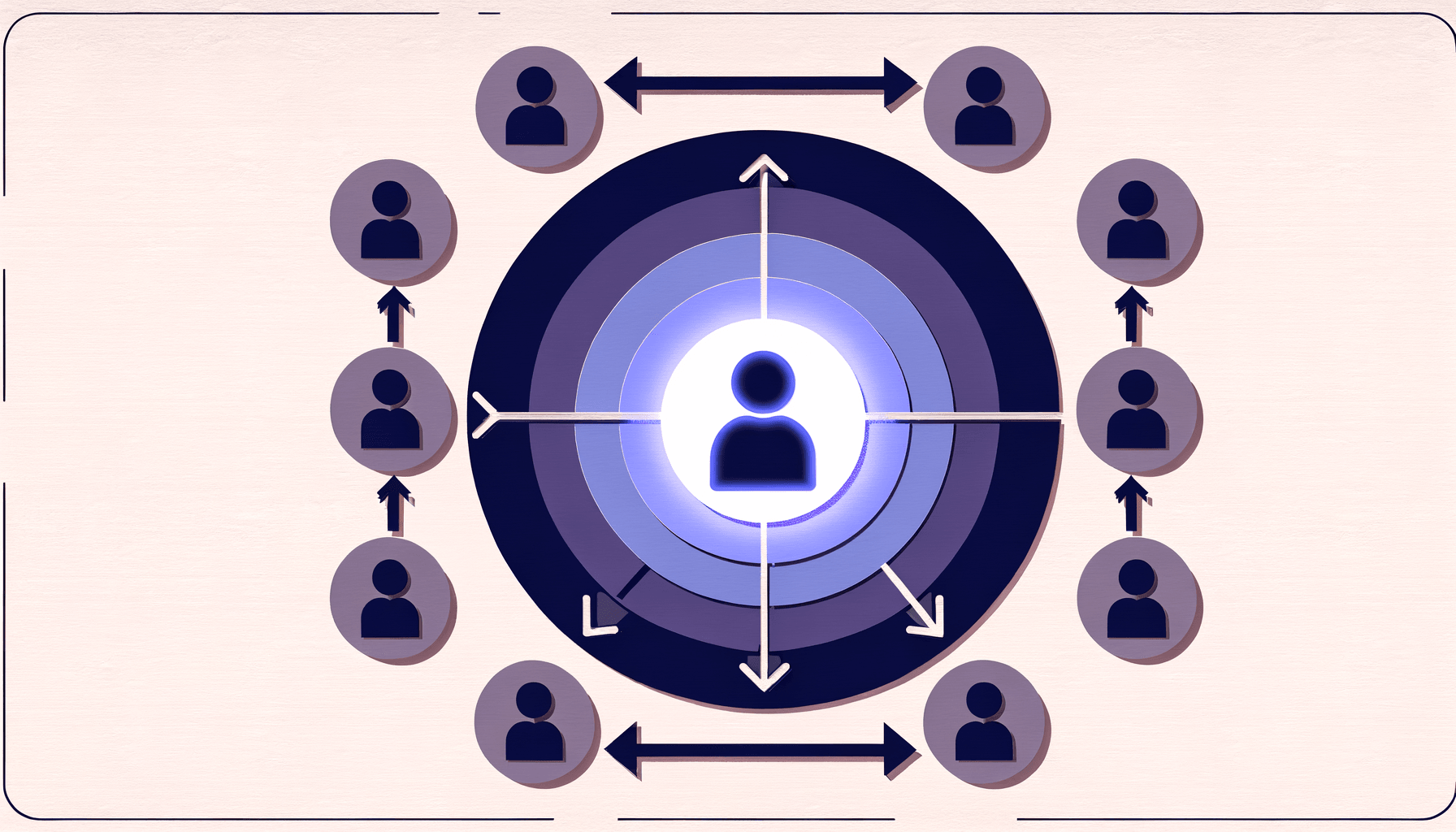
The concept of "vortex invite flows" emerged from the SaaS world, where companies discovered that their growth wasn't limited by product features or marketing spend - it hit constraints in how easily one user could bring teammates into the experience. Vortex Software found that 73% of SaaS trial failures happened not because the product was inadequate, but because users couldn't successfully onboard their colleagues.
The same pattern shows up everywhere, from Slack workspaces to Figma design files. One person loves the tool, but the value only emerges when the whole team joins. Yet most invitation systems are afterthoughts - a simple email with a link that requires the invitee to create an account, navigate a complex onboarding flow, and somehow figure out how to contribute meaningfully.
In AI agent testing, this invitation bottleneck becomes even more critical. When your conversational AI starts behaving unexpectedly, you need developers, QA engineers, product managers, and domain experts collaborating immediately. But if your testing platform requires each person to go through a lengthy setup process, or worse, if there's no collaborative testing environment at all, your response time stretches from hours to days.
Why AI Agent Testing Demands Team Velocity
Testing conversational AI isn't like testing traditional software. A chatbot or voice agent can generate thousands of unique interaction patterns, each influenced by context, user intent, and environmental factors. No single person can catch every edge case or evaluate every response quality dimension.
Consider what happens when an AI agent fails a customer service scenario. The QA engineer notices the agent gave incorrect product information. But to fix this properly, you need:
- The conversation designer to understand if the intent recognition failed
- A subject matter expert to verify the correct product details
- The AI trainer to adjust the model's responses
- The product manager to decide if this represents a broader pattern
Each delay in assembling this team means more customers experience the same failure. In traditional software, bugs are annoying but often non-blocking. In conversational AI, bugs directly impact customer relationships in real-time interactions.
This is where platforms like Cekura AI become essential. Rather than treating testing as an isolated QA function, they're built around the assumption that AI agent quality emerges from collaborative iteration. Their platform doesn't just run test scenarios - it creates environments where cross-functional teams can rapidly diagnose, discuss, and resolve issues together.
The Architecture of Seamless Team Testing
Effective AI agent testing requires what we might call "frictionless team assembly." Instead of invitation flows that create barriers, you need systems that make it effortless for the right expertise to join the right conversation at the right moment.
The best testing platforms accomplish this through key mechanisms:
Contextual Invitations: Rather than generic "join our testing platform" emails, invitations connect to specific test failures or scenarios. A conversation designer gets invited to review a dialogue flow that's confusing users. A domain expert gets pulled in when the agent demonstrates knowledge gaps in their area.
Zero-Friction Onboarding: New team members can contribute immediately without lengthy setup processes. They see the failed test case, understand the context, and can provide input within minutes of receiving an invitation.
Role-Based Access: Different team members need different capabilities. QA engineers need full testing controls, while stakeholders might only need read access to results and the ability to flag issues for deeper investigation.
Real-Time Collaboration: When someone discovers a critical issue, the platform facilitates immediate synchronous investigation rather than forcing asynchronous handoffs.
Beyond Testing: Building Quality Culture
The most successful AI teams we've observed don't just have better testing tools - they have better testing culture. This culture emerges when joining a quality investigation feels natural and valuable rather than burdensome.
Traditional testing handoffs often feel like accusations. "Your agent failed this test case" carries an implicit blame that makes people defensive. But when teams can collaboratively explore what happened, the conversation shifts from blame to curiosity. "Let's figure out why the agent interpreted this request differently than we expected."
This cultural shift requires infrastructure that supports it. Teams need shared visibility into test results, easy ways to reproduce issues, and clear workflows for implementing fixes. They need to invite domain experts without making them feel like they're joining yet another tool they don't understand.
The invitation flow becomes a critical moment in this culture building. Done well, it communicates: "We value your expertise and we've made it easy for you to help." Done poorly, it says: "We have a problem and we're making it your problem too."
Scaling Quality Through Network Effects
The most interesting aspect of well-designed invitation flows is that they create network effects for quality improvement. As more domain experts engage with the testing process, they start identifying patterns and proactively suggesting improvements rather than just reacting to failures.
A customer service expert who initially joined to fix one voice agent response might notice that the agent consistently struggles with warranty questions. Instead of waiting for more test failures, they can proactively work with the team to strengthen that knowledge area.
These network effects only emerge when the barrier to participation stays low. The moment it becomes difficult to check in on agent performance or contribute to quality discussions, experts drift away and you're back to reactive debugging.
Conclusion
The future of AI agent quality isn't just about better testing algorithms or more comprehensive scenario coverage. It's about creating systems where the right expertise can rapidly converge around quality challenges.
Whether you're building voice assistants, chatbots, or complex autonomous agents, your testing platform needs to support seamless team collaboration from day one. The invitation flow isn't just a nice-to-have feature - it's the foundation that determines whether your quality assurance scales with your product ambitions or becomes the bottleneck that constrains your growth.
The teams that figure this out first will build AI agents that don't just pass tests, but consistently deliver experiences that feel natural, helpful, and trustworthy. And in a world where AI interactions are becoming ubiquitous, that quality advantage might be the most important competitive moat of all.
Ready to transform your AI agent testing from a solo struggle into a team strength?