
Introduction
Many revenue teams still qualify leads using frameworks built for an outbound era. BANT made sense when sales controlled access to information and buyers progressed through structured conversations. In a product-led world, that dynamic has shifted. The strongest buying signals no longer surface in discovery calls. They appear inside the product, long before a salesperson is involved.
The companies that adapted early understood this. Slack, Atlassian, and Zendesk did not win by tracking more individual usage metrics. They won by recognizing that collaborative behavior is a far stronger indicator of revenue potential than single-user engagement.
When someone invites a teammate into a product, they are doing something far more meaningful than exploring a tool. They are introducing it into a shared workflow. They are placing their credibility behind it internally. That moment often marks the transition from casual evaluation to serious consideration.
Team adoption signals exist to capture that shift.
From Individual Activity to Organizational Intent
Traditional product analytics focuses on individual actions. Logins, feature clicks, time spent, and session frequency all provide useful information, but they rarely tell you whether a product is becoming embedded within a company.
Buying decisions in modern SaaS are rarely made by one person in isolation. Even when a champion initiates adoption, broader organizational momentum determines whether the deal closes and whether the account expands.
Team adoption signals measure that momentum.
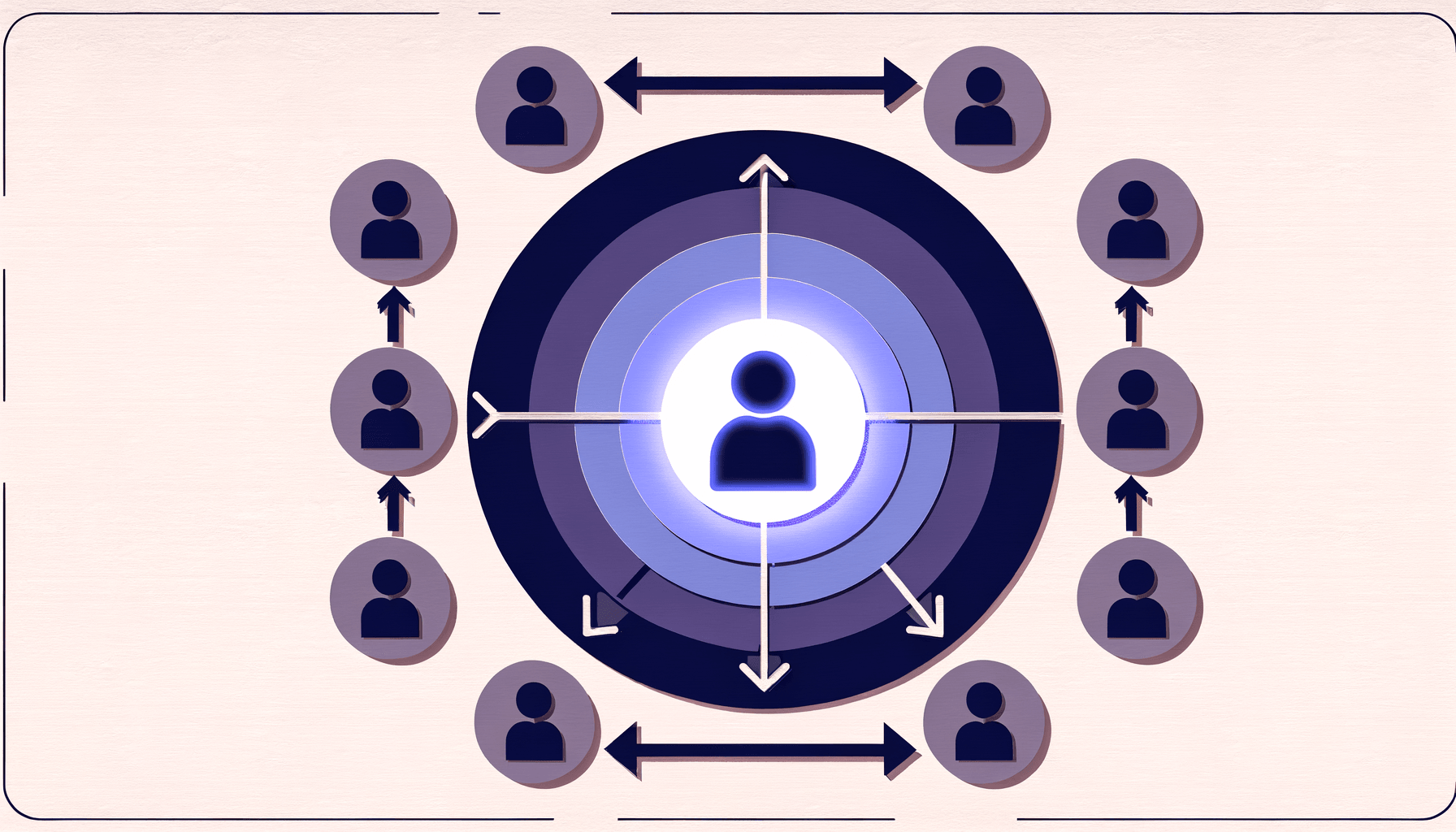
When invitations accelerate soon after signup, when multiple colleagues join within days, or when collaborative features become active across departments, the product has moved beyond curiosity. It has entered evaluation at the organizational level. That transition is one of the most reliable inflection points in the buying journey.
Modern PLG systems now integrate product usage data, web engagement, and warehouse insights into unified views. When collaborative signals are layered into this infrastructure, revenue teams can identify accounts that are building internal traction and distinguish them from those that are simply browsing.
The Signals That Matter Most
Not all collaboration is equally meaningful. The signals that correlate most strongly with revenue tend to cluster around four dimensions.
Invitation velocity measures how quickly users bring teammates into the product after signup. Invitations within the first forty eight to seventy two hours often indicate immediate value recognition and urgency. Slower invitation patterns frequently reflect passive exploration.
Domain penetration tracks how widely adoption spreads within a company. When usage represents a meaningful percentage of a company’s domain, the opportunity shifts from champion-driven to organization-driven. Risk decreases because reliance on a single user declines.
Collaborative feature engagement captures how teams work together inside the product. Sharing documents, tagging colleagues, editing in parallel, and participating in joint workflows signal that the product is becoming operational rather than experimental.
Team completion rates reflect whether onboarding and setup processes are finished collectively. When most invited members complete key steps, implementation intent is strong. When onboarding stalls midway, the account may lack internal alignment.
Individually, each metric provides directional insight. Combined into a weighted scoring framework, they create a far more predictive model of revenue readiness than traditional lead scoring methods.
Designing a Practical Scoring Framework
A team adoption scoring model does not need to be overly complex. It needs to align weight with behavior strength.
For example, team growth velocity, domain penetration, collaborative depth, and completion rate can each contribute to a composite score. Clear thresholds should correspond to operational actions.
Accounts that cross a high threshold should be routed immediately to sales with defined response time expectations. Mid range scores can trigger structured follow up sequences. For existing customers, high scores should alert Customer Success to expansion opportunities.
The exact point allocations are less important than the alignment between signal strength and organizational response. The scoring system should function as infrastructure, not as an isolated analytics experiment.
Embedding Signals into Revenue Workflows
The most common failure point is not identifying signals correctly. It is failing to operationalize them.
If collaborative momentum lives only inside a dashboard, it will not influence pipeline outcomes. It must be integrated into CRM workflows.
In Salesforce, this may involve creating a dedicated Team Adoption Score object, logging historical signal changes, and tying threshold crossings to opportunity stage progression. In HubSpot, teams might build segmented lists based on adoption strength, automate nurture flows for emerging accounts, and trigger expansion notifications when domain penetration increases.
The implementation details vary by stack, but the principle remains constant. Collaborative intent should determine prioritization.
Expansion and Churn Signals After the Deal Closes
Team adoption data becomes even more valuable post sale.
Accounts that expand typically exhibit increasing domain penetration, deeper collaborative feature usage, and shorter onboarding cycles for new members. These patterns reflect growing internal dependency on the product.
Churn risk often surfaces as stagnation. Invitations slow. Collaborative usage declines. Activity becomes concentrated in a single champion. When these trends are tracked over time and surfaced through systems such as Vortex or internal analytics dashboards, Customer Success teams can intervene before renewal risk becomes visible in quarterly reviews.
Longitudinal signal tracking transforms reactive account management into proactive engagement.
A Phased Implementation Approach
Implementing team adoption scoring does not require a complete system overhaul.
The first step is to define what constitutes meaningful team adoption in your product. Instrument those signals carefully and establish a baseline scoring framework.
Next, integrate the scoring model into your CRM and marketing automation workflows. Build alert triggers and ensure revenue teams understand how to interpret adoption scores in qualification and expansion contexts.
Finally, analyze early outcomes and refine thresholds. The goal is continuous alignment between collaborative behavior and revenue action.
Teams that treat this process as foundational infrastructure, rather than as a temporary experiment, build more predictable pipelines over time.
The Strategic Shift
The evolution in PLG is not about collecting more data. It is about interpreting behavior correctly. Team invitations, domain coverage, collaborative engagement, and completion rates reveal organizational intent. These behaviors predict conversion and expansion more reliably than individual usage metrics alone.
By prioritizing team adoption signals, revenue teams align their scoring models with how modern buying decisions actually unfold inside companies.
When a user decides a product is valuable enough to bring a colleague into it, that moment carries more weight than almost any other measurable action. Organizations that recognize and respond to that signal systematically create leverage across sales, marketing, and customer success.
The advantage belongs to the teams that measure collaboration, not just activity.